PorkPeppaPork
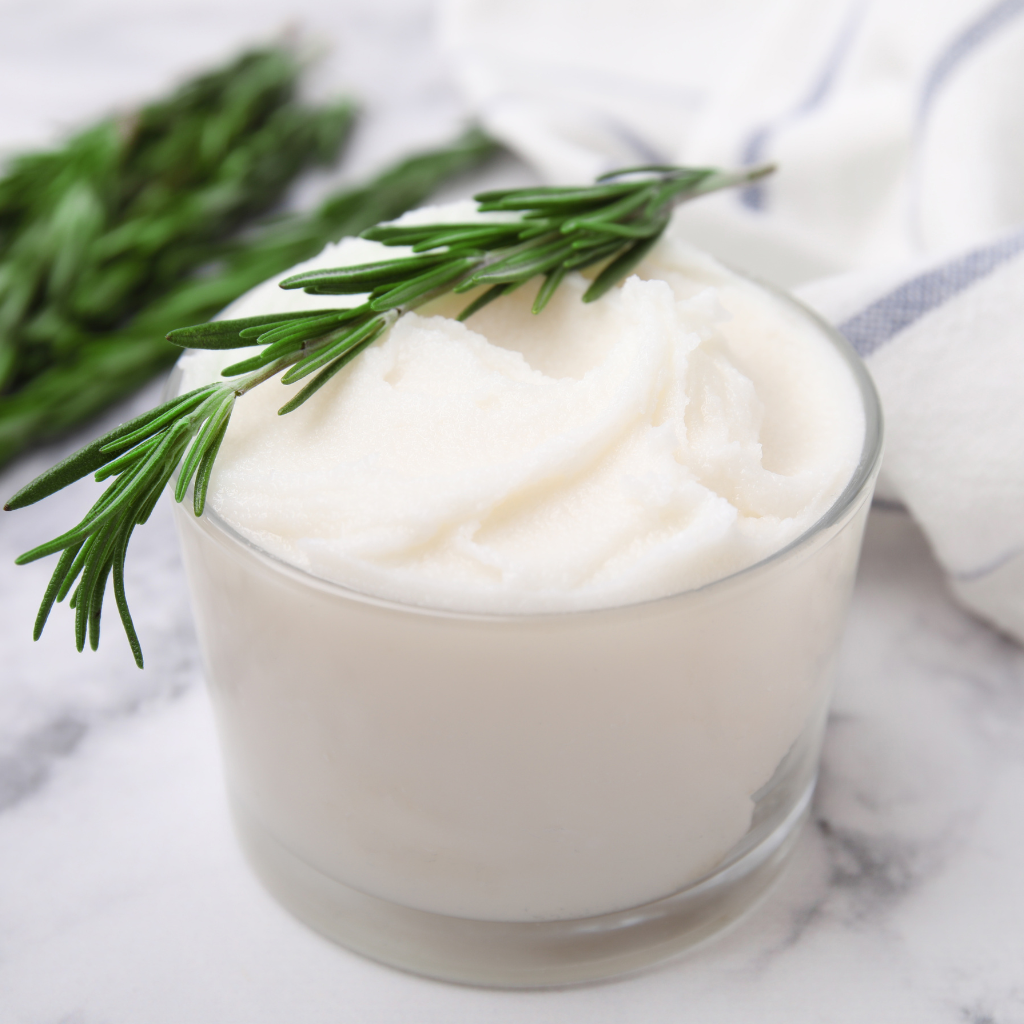
Premium Pork Lard
Premium Pork Lard
₹350₹42518% OFF
You save ₹75
Size
500 gIn Stock
Quantity
1
Mobile App Exclusive
Get up to ₹100 off on placing order via our mobile app
SAVE ₹100
Visit Our Store
Get up to ₹100 off on visiting our nearest store
SAVE ₹100
100% PremiumQuality Assured
Free DeliveryWithin 5 km radius
Authentic Farmssourced
Delivery4-5 hours Fast Delivery
BrandPeppaPork
QualityFresh & Tender - Premium Grade
SourceAuthentic Farms
Details
Product Information
Cooking with pork lard offers both culinary and potential nutritional benefits, including its high smoke point, favourable fat profile, and unique taste. It is a traditional fat that has seen a resurgence as an alternative to highly processed vegetable oils and hydrogenated shortenings.
Nutritional Information
When sourced from farm pigs, which tend to have a better diet and more sunlight exposure, lard can offer several nutritional advantages:
- Heart-Healthy Fats: Lard is rich in monounsaturated fats (around 48%), particularly oleic acid, the same type of fat found in olive oil. These fats are known to help lower LDL ("bad") cholesterol levels and support heart health.
- Vitamin D Source: Pork lard is one of the few food sources of natural vitamin D, a crucial nutrient for immune function and bone health that many people are deficient in.
- Balanced Fat Profile: It contains a balance of saturated, monounsaturated, and polyunsaturated fats, and it is low in inflammation-promoting omega-6 fatty acids compared to many commercial vegetable oils.
- Free from Trans Fats: Unlike many commercial shortenings, pure, minimally processed lard contains no artificial trans fats, which are linked to various health issues.
- Choline Content: Lard contains choline, an important nutrient that aids in brain function and helps move cholesterol from the liver.
Food Safety License

FSSAI Central LicenseLic. No. 13621999000253Click to view certificate →
This product is manufactured under stringent food safety standards as certified by the Food Safety and Standards Authority of India (FSSAI). Our license ensures compliance with all safety protocols for your peace of mind.
Reviews
What People Say
No reviews yet
Be the first to experience this piece — your review helps others.


